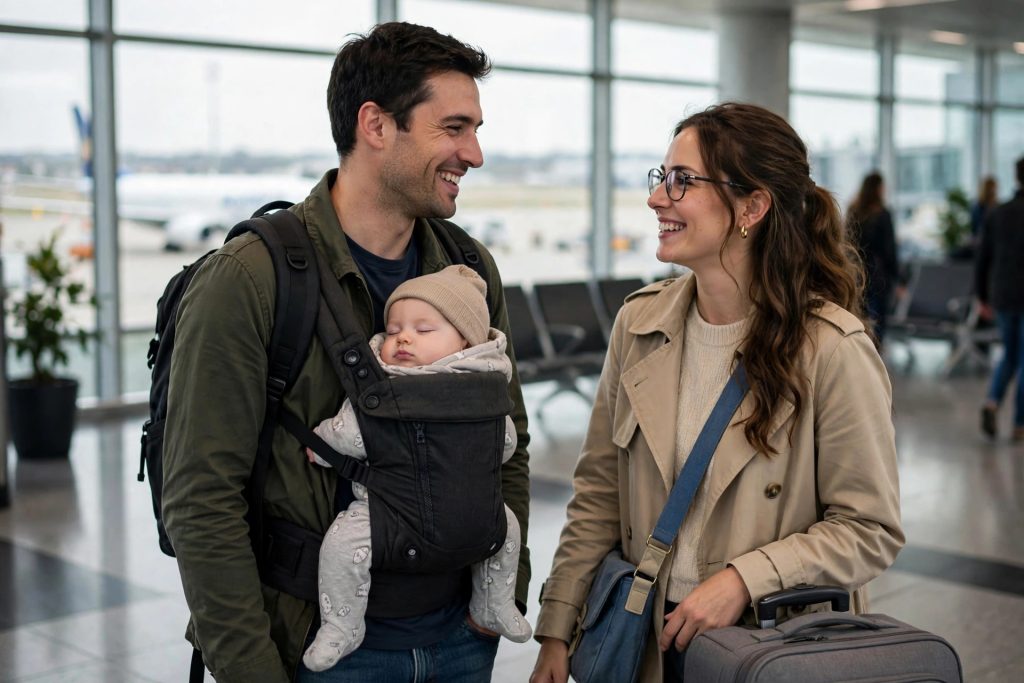
The idea of traveling with a baby can feel somewhere between “adventurous” and “are you out of your mind?” Visions of a screaming infant on a six-hour flight, or a car trip punctuated by diaper blowouts at rest stops, are enough to make any parent consider just staying home until the kid’s in college.
But here’s the secret experienced traveling parents know: babies are actually some of the easiest travel companions you’ll ever have. They don’t need entertainment itineraries, they sleep anywhere when they’re tired enough, and they have no opinions about the destination. With the right preparation — and the right expectations — traveling with a baby can be genuinely enjoyable. Not perfect. But enjoyable.
Planning: Timing Is Everything
The single biggest factor in a successful trip isn’t what you pack — it’s when you travel. Plan around your baby’s rhythms, not the airline’s schedule.
- Fly or drive during sleep times when possible. A red-eye flight or a drive that starts at naptime means hours of peaceful transit. The white noise of a plane or car is nature’s lullaby.
- Build in buffer time. Everything takes twice as long with a baby. Arrive early, allow long layovers (90+ minutes), and don’t schedule anything important right after arrival. Rushing with a baby is misery; ambling with a baby is fine.
- Consider your baby’s age and stage. Newborns (under 3 months) are surprisingly portable — they mostly sleep and eat. The 6–12 month range brings mobility and stronger opinions but also more predictable naps. Toddlers need more entertainment and movement breaks. There’s no perfect age; there’s just different preparation. Our guide to baby milestones month by month can help you anticipate what stage you’ll be traveling with.
- Check documents early. For international travel, babies need passports too — and processing takes weeks. Domestic flights typically require a birth certificate for lap infants. Don’t discover this at the airport.
The Packing List: Essentials Without the Kitchen Sink
Overpacking is the rookie mistake. You need less than you think — and almost everything is buyable at your destination. Focus on the true essentials:
Feeding
Enough formula for the journey plus a day’s buffer (delays happen), or your nursing cover and a water bottle for yourself if breastfeeding. For babies on solids, pack familiar snacks and a couple of easy meals. A few extra bottles, bibs, and burp cloths. Don’t forget: you can bring breast milk and formula through security in reasonable quantities.
Diapering
One diaper per hour of travel plus extras, wipes, diaper cream, a portable changing pad, and a couple of zip bags for the… aftermath. A full change of clothes for the baby and one shirt for you — blowouts respect no one’s wardrobe.
Sleep
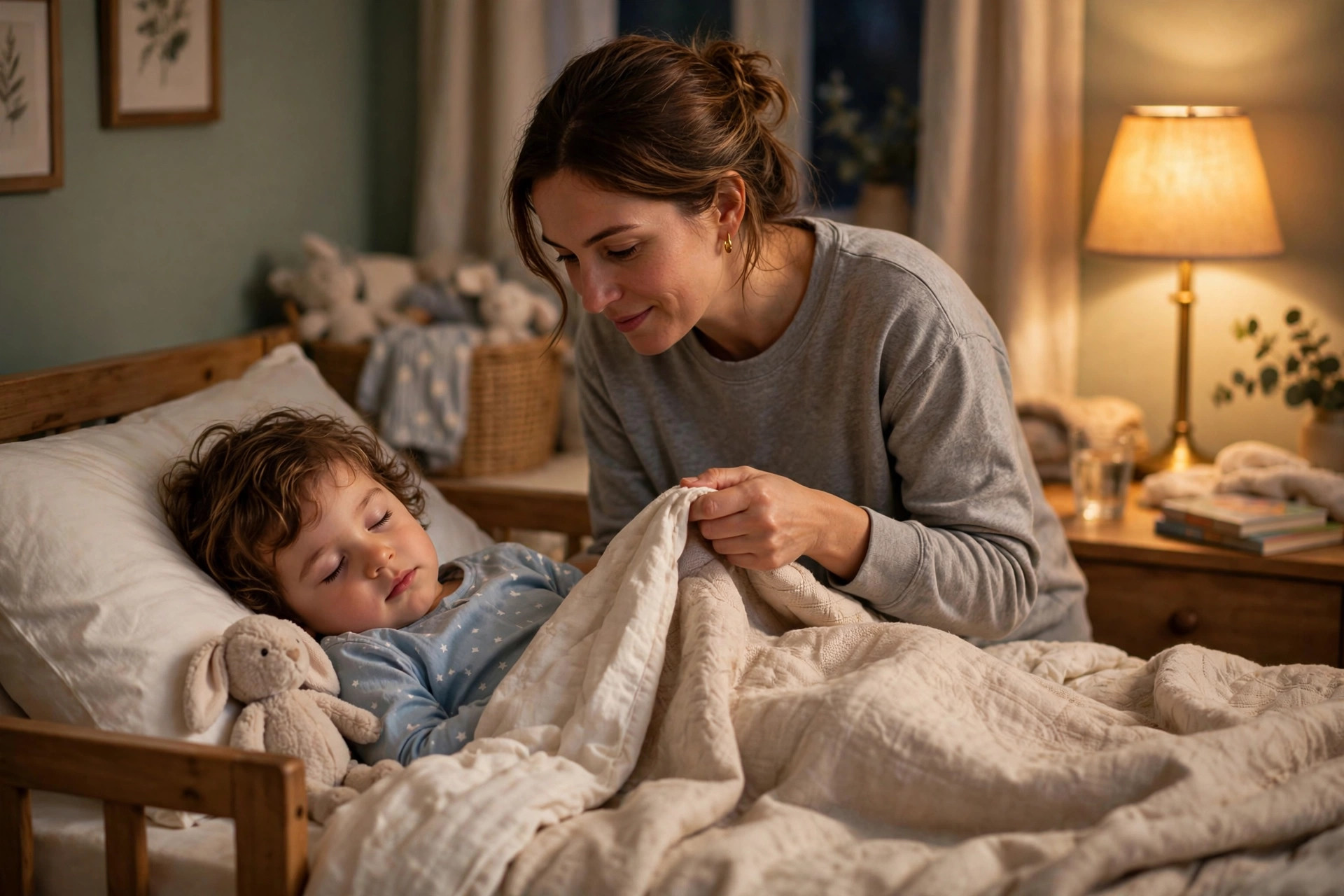
Whatever your baby sleeps with at home: sleep sack, white noise (a phone app works), lovey, pacifier. Familiar sleep cues are magic in unfamiliar places. If your baby has a consistent bedtime routine, do a portable version of it even in a hotel room — the ritual signals sleep no matter where you are.
Comfort and entertainment
A favorite small toy, a new toy they’ve never seen (novelty buys time), board books, and snacks — so many snacks. For toddlers, painter’s tape, stickers, and a small container of playdough are lightweight gold — open-ended play materials travel far better than bulky electronic toys. Skip the giant toy bag; a few well-chosen items beat a suitcase of distractions.
Health and safety
Infant pain reliever (check with your pediatrician on dosing before you go), thermometer, saline spray, sunscreen, insect repellent appropriate for babies, and any regular medications plus a copy of prescriptions. A small first-aid kit weighs nothing and saves everything.
Flying With a Baby: Surviving the Skies
Flying is where parental anxiety peaks, so let’s demystify it:
- Feed during takeoff and landing. Nursing, bottle-feeding, or offering a pacifier during pressure changes helps equalize your baby’s ears. This one tip prevents a huge share of in-flight crying.
- Lap infant vs. own seat. Under-twos can usually fly as lap infants domestically, but an FAA-approved car seat in its own seat is safer and gives everyone more room. For long flights, the extra seat is worth every penny.
- Board strategically. Most airlines offer family pre-boarding — take it. Getting settled before the crowd is calmer for everyone. But if your baby is a mover, some parents prefer boarding last to minimize confined time. Know your kid.
- Walk the aisles. Nobody minds a parent bouncing a baby in the galley. Flight attendants have seen it all and are usually wonderful. Accept help when offered.
- Lower your standards. Extra screen time on a flight? Fine. Snacks as entertainment? Absolutely. Survival mode is a legitimate parenting strategy at 35,000 feet.
Road Trips: The Rolling Nursery
Car travel has one huge advantage: you control the schedule. Stop every 2–3 hours to feed, change, and let your baby stretch — prolonged time in a car seat isn’t ideal for little bodies. Plan stops at parks or rest areas where toddlers can run around.
Safety non-negotiables: a properly installed, rear-facing car seat (get it checked before a big trip — many fire stations and hospitals offer free checks), never leave your baby alone in the car for any reason, and keep the back seat at a comfortable temperature. Sunshades on the windows prevent both overheating and the dreaded sun-in-eyes meltdown.
For entertainment, audiobooks and music work surprisingly well even for babies — the rhythm is soothing. For toddlers, a “surprise bag” with a new small toy revealed every hour can work wonders. And snacks. Did we mention snacks?
Sleep Away From Home
Sleep is usually parents’ biggest travel worry, and honestly, it’s the area most likely to go sideways. Here’s how to stack the deck:
- Bring the sleep environment with you. Portable blackout shades (or trash bags and tape in a pinch), white noise, sleep sack, lovey — recreate the cave.
- Keep the routine. Bath (or wash-up), pajamas, book, song — the abbreviated hotel version of your usual bedtime wind-down tells your baby’s brain it’s sleep time, geography notwithstanding.
- Manage your expectations. The first night is often rough. The second is usually better. By night three, most babies have adapted. If you’re only away for two nights, just accept it and catch up on sleep at home.
- Safe sleep still applies. Hotel cribs vary wildly in quality — inspect for recalls, firm mattress, no soft bedding. When in doubt, many parents travel with their own portable crib. The safe-sleep principles in our newborn sleep basics guide don’t take vacations.
The goal of traveling with a baby isn’t a perfect trip. It’s a trip where everyone — including you — gets to enjoy at least parts of it. Lower the bar, pack the snacks, and go make some memories.
Keeping Your Cool When Things Go Sideways
Because they will. The flight will be delayed. The blowout will happen during boarding. Your toddler will scream through the quiet car of the train. In these moments, remember two things.
First: this is temporary. Every travel disaster becomes a funny story within a year. The parents who travel well aren’t the ones whose babies never cry — they’re the ones who don’t catastrophize when they do.
Second: your calm is your child’s calm. A parent who handles a mid-flight meltdown with humor and grace teaches their child more about resilience than any perfect itinerary could. The same calm-in-the-storm skills you’d use for a tantrum at home work at 35,000 feet just as well as they do in the cereal aisle.
And be kind to yourself. Traveling with a baby is objectively harder than traveling without one. If you need to abandon an outing, order room service, and call it a day — that’s not failure. That’s wisdom. The trip will still have been worth it.
Frequently Asked Questions
What age can a baby travel?
There’s no universal minimum age, but most pediatricians suggest waiting until after the first round of vaccinations (around 6–8 weeks) for non-essential travel, especially flying. Newborns are actually among the easiest travelers — they sleep most of the time. Always check with your own pediatrician, particularly for premature babies or international travel.
What should I pack when traveling with a baby?
The essentials: feeding supplies (formula/breastfeeding gear, snacks), diapering supplies (one diaper per travel hour plus extras, wipes, cream, change of clothes for baby and you), sleep items (sleep sack, white noise, lovey), a few comfort toys and books, and a small health kit (infant pain reliever, thermometer, sunscreen). Everything else can usually be bought at your destination.
How do I keep a baby comfortable on a flight?
Feed during takeoff and landing to help with ear pressure, dress in comfortable layers, bring familiar sleep cues, walk the aisles when needed, and pack more snacks and diapers than you think necessary. Consider booking a separate seat with an approved car seat for longer flights — it’s safer and more comfortable for everyone.
Is it safe to travel with a newborn?
For healthy, full-term newborns, short trips are generally fine, but discuss timing with your pediatrician — many recommend waiting until after early vaccinations. Newborns are vulnerable to infections, so limit close contact with strangers, wash hands frequently, and consider traveling during less crowded times. For premature babies or any health concerns, always follow your pediatrician’s specific guidance.
How do I handle time zone changes with a baby?
Shift gradually: a few days before travel, move bedtime 30–60 minutes toward the new time zone. On arrival, get plenty of daylight exposure (it resets circadian rhythms faster than anything), keep meals on local time, and be patient — most babies adjust within 3–5 days. Westward travel (staying up later) is usually easier than eastward.
Should I bring my own car seat when traveling?
Yes, whenever practical. Rental car seats have unknown histories — you can’t verify they haven’t been in a crash or expired. An FAA-approved car seat also doubles as safe seating on the plane. If bringing your own isn’t feasible, research reputable rental options in advance and inspect any rental seat carefully before use. For daily-life parallels on keeping routines consistent away from home, our guide to setting boundaries with love covers how familiar limits help children feel secure in new places.