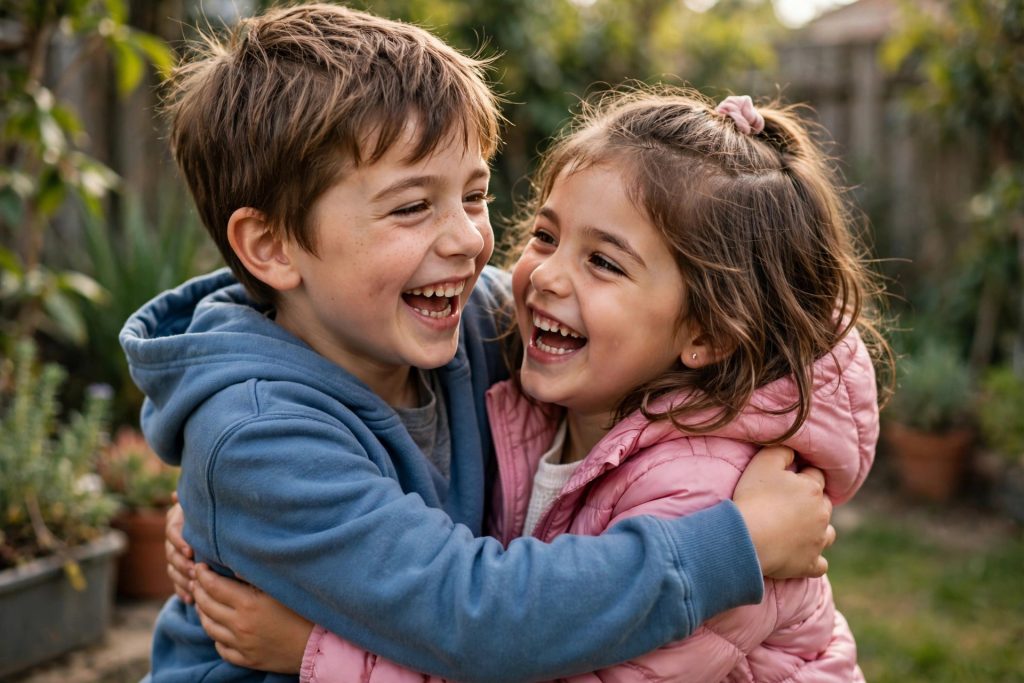
“Moooom, she’s touching me!” “He started it!” “That’s MINE!” If you have more than one child, you’ve heard these phrases approximately four thousand times today. Sibling fighting is one of the most exhausting parts of parenting — not because it’s dangerous (usually it isn’t), but because it’s relentless, loud, and somehow always happens when you’re already at your limit.
Here’s what you need to hear first: sibling rivalry is normal. It’s not a sign that your kids hate each other, that you’re failing, or that they’ll be enemies forever. It’s a developmental phase — actually, a whole developmental era — driven by competition for the scarcest resource in any family: your attention. And while you can’t eliminate it, you can absolutely turn down the volume and even build real friendship between your kids along the way.
Why Siblings Fight (It’s Not Personal)
Children don’t fight because they’re bad. They fight because they’re young, impulsive, still learning to share, and wired to compete for parental investment. From an evolutionary perspective, this makes complete sense: throughout human history, the child who secured more food, protection, and attention was more likely to survive. Your kids aren’t being dramatic — they’re running ancient software.
The most common triggers are depressingly predictable: perceived unfairness (“she got more juice!”), boredom, tiredness, hunger, transitions, and — biggest of all — jealousy. A new baby is the classic rivalry accelerant: the older child goes from being the center of your universe to sharing you with a tiny, screaming usurper. Of course they’re furious. Wouldn’t you be?
Understanding this changes your role. You’re not a judge whose job is to determine who started it (a question with no answer since the beginning of time). You’re a coach whose job is to teach conflict-resolution skills your children don’t have yet. That shift — from referee to coach — changes everything about how you respond.
Preparing an Older Child for a New Baby
If a new sibling is on the way, you have a golden window to lay groundwork. The goal isn’t to eliminate jealousy (impossible) but to keep it manageable.
- Talk about the baby honestly, but don’t oversell. “You’ll have a playmate!” sets up disappointment when the baby turns out to be a sleep-deprived potato. Try: “Babies cry a lot and need lots of help. You’ll still be my big kid, and we’ll still have our special time.”
- Protect their territory. Let them keep special toys that the baby won’t touch. A child who feels their things are safe is less desperate to defend everything.
- Practice with a doll. Let them “feed” and “burp” a stuffed animal. It builds empathy and gives them a role — “big sibling” as an identity, not just a demotion.
- Line up support for the early weeks. The older child needs more attention after the baby arrives, not less. If a partner, grandparent, or friend can be their special person during the newborn haze, jealousy drops dramatically.
- Expect regression. Toilet accidents, baby talk, wanting to be carried — this is normal. It’s your older child saying “I need to know I’m still your baby too.” Meet it with warmth, not frustration, and respond to the big feelings underneath with the same calm you’d bring to any toddler meltdown.
In-the-Moment Scripts for Fighting
When the screaming starts, forget “who started it.” Try this instead:
Step 1: Stop the harm, stay neutral
Get between them if needed. “I can’t let you hit. Hitting hurts.” No blame, no lecture — just a calm, firm stop. If someone’s hurt, attend to the hurt child first (this is not “taking sides”; it’s triage).
Step 2: Acknowledge both sides
“You’re both really angry. You wanted the truck, and you wanted the truck.” Children who feel heard de-escalate faster. This feels counterintuitive when one child is clearly the aggressor, but validation isn’t agreement — it’s just recognition.
Step 3: Coach the problem-solving
Once everyone’s calm (not before), help them solve it: “What could we do so you both get a turn?” Offer tools: timers for turns, trading, playing together, or doing separate activities. Young children can’t do this alone — you’re lending them your prefrontal cortex until theirs develops.
Step 4: Follow through on limits
If the fighting keeps escalating, separate them calmly: “You’re having trouble playing together right now. Let’s take a break and try again later.” This isn’t punishment — it’s a reset. The principles of setting boundaries with love apply perfectly here: firm, kind, consistent.
Building Connection (The Long Game)
Reducing fighting is only half the job. The other half — the more important half — is actively building the bond between your kids. Siblings who genuinely like each other still fight, but they fight less and repair faster.
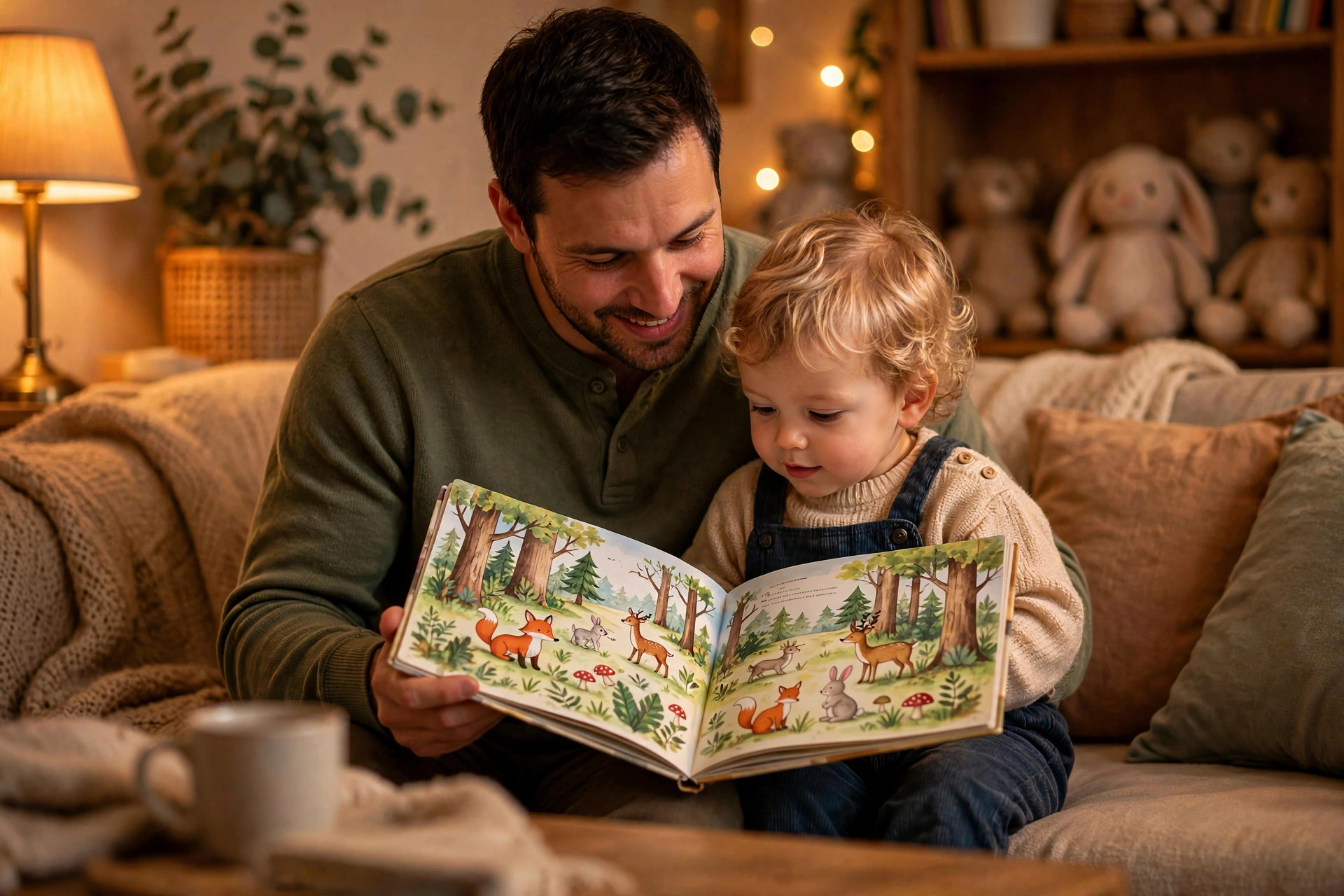
- Special one-on-one time. Ten to fifteen minutes per child per day of child-led, phone-free time is the single most powerful rivalry reducer in existence. A child whose connection tank is full doesn’t need to fight their sibling for scraps of your attention.
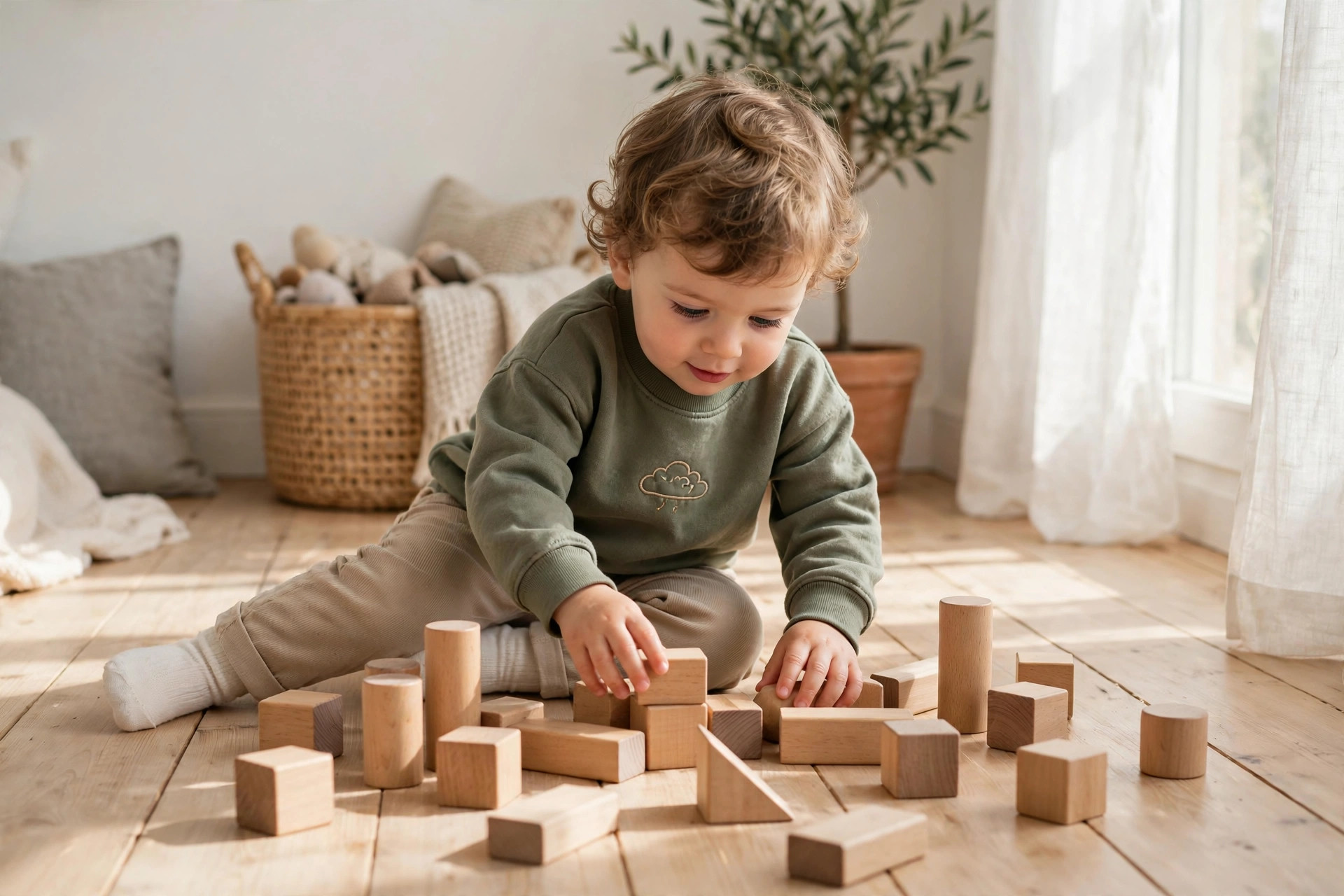
- Create teamwork opportunities. “Can you two work together to build the tallest tower?” Siblings who cooperate toward a shared goal start seeing each other as teammates instead of competitors.
- Catch them being kind. Narrate the good moments: “You shared your crayons with your brother — that was really kind.” What gets noticed gets repeated.
- Don’t force sharing. Forced sharing breeds resentment. Instead, teach turn-taking and waiting — and respect a child’s right to put special things away before a sibling visits their space.
- Avoid comparisons. “Why can’t you be more like your sister?” is rivalry fertilizer. Compare each child only to their own past progress, never to each other.
- Let some conflicts resolve themselves. If nobody’s getting hurt and voices are only mildly raised, hang back. Children learn negotiation by negotiating — and every fight you don’t intervene in is practice they’re getting. Learning to navigate peer conflict is a core part of social and emotional development.
Your job isn’t to raise children who never fight. It’s to raise children who know how to fight fair, repair afterward, and — most days — actually enjoy each other.
When to Step In vs. When to Coach
Step in immediately when: anyone is being hurt or is in danger, one child is consistently dominating or bullying the other, property is being destroyed, or the conflict is escalating beyond words. Safety first, always.
Coach from the sidelines when: it’s a verbal disagreement, they’re negotiating (even badly), or the stakes are low. Try sportscaster narration instead of intervention: “Sounds like you both want the blue car. I wonder how you could solve this?” Then walk away. It’s remarkable how often children resolve things themselves once the audience leaves.
Revisit later when: the same fight happens daily. That’s a pattern, which means it’s a systems problem, not a behavior problem. Are they overtired? Is the toy stash too small for two? Do they need more one-on-one time with you? Fix the system and the fighting often fixes itself. And remember that some of the best rivalry prevention is simply keeping everyone rested and fed — the same prevention principles in our guide to screen time apply here too: structured, predictable days with plenty of active play leave less room for conflict.
Frequently Asked Questions
Is sibling rivalry normal?
Completely. Rivalry between siblings is one of the most universal features of family life across cultures. It’s driven by competition for parental attention and resources, combined with young children’s still-developing impulse control and sharing skills. Normal doesn’t mean enjoyable — but it does mean you’re not doing anything wrong.
How do I prepare my toddler for a new baby?
Talk honestly about what babies are like (without overselling the “playmate” angle), protect their special toys and routines, give them a “big sibling” role to be proud of, and arrange extra one-on-one attention for the early weeks. Expect some regression — clinginess, baby talk, toileting setbacks — and meet it with warmth rather than frustration.
Should I punish fighting between siblings?
Punishment usually backfires with sibling fighting: it adds resentment without teaching conflict-resolution skills, and it often punishes the wrong child (the one who retaliated, not the one who provoked). Instead, stop any harm calmly, acknowledge both children’s feelings, coach them through solving the problem, and separate them for a reset if needed. Save consequences for deliberate, repeated aggression — and even then, keep them related and respectful.
How can I help my kids bond?
Prioritize daily one-on-one time with each child, create opportunities for teamwork, notice and narrate kind moments between them, avoid comparing them to each other, and let low-stakes conflicts resolve without your intervention. Shared fun — silly games, cooking together, play-based activities they both enjoy — builds the positive history that rivalry can’t erase.
My older child is jealous of the baby. What do I do?
Jealousy after a new baby arrives is entirely expected. Don’t shame it (“You’re the big kid, you should know better”) — name it instead: “It’s hard sharing Mama right now.” Fill their connection tank with dedicated special time, let them help with the baby in age-appropriate ways, and protect some parts of their life that the baby doesn’t touch. Most jealousy fades as the new family normal sets in, usually within a few months.
When is sibling fighting a real problem?
Occasional fighting is normal, but talk to your pediatrician or a family counselor if one child is consistently aggressive or bullying, if a child seems fearful of their sibling, if fighting is causing injuries, or if the conflict is severely affecting family functioning or a child’s emotional wellbeing. Trust your instincts — you know the difference between normal bickering and something darker.