
If the first trimester felt like survival mode, the second trimester often feels like a homecoming. Many expecting parents describe weeks 14 through 27 as the “golden” stretch of pregnancy: the nausea fades, energy creeps back, and for the first time you may actually look pregnant instead of just feeling unwell. It’s also the stretch when pregnancy becomes vividly real — a growing bump, the first unmistakable flutters of movement, and the detailed anatomy scan where you might learn your baby’s sex.
This guide walks you through what to expect week by week in the second trimester: the common symptoms, how your baby is growing, the appointments that matter, and how to eat, move, and rest well during these middle months.
When Does the Second Trimester Start?
Pregnancy is typically divided into three trimesters. The second trimester generally spans weeks 14 through 27 (some providers count it as weeks 13 through 28 — the exact boundary varies slightly, and it doesn’t matter much in practice). By this point, the placenta has taken over hormone production from the ovaries, which is one reason many early symptoms ease off.
If you had a rough first trimester, this transition can feel dramatic. Women who couldn’t keep down a cracker at week 9 often find themselves genuinely hungry — and genuinely enjoying food — by week 15. That said, every pregnancy is different. Some symptoms linger, new ones appear, and a perfectly healthy second trimester can still include its share of complaints. There’s no “supposed to” here.
Why the Second Trimester Often Feels Better
The most welcome second trimester symptom for many is simply relief. Morning sickness — which, as you know, strikes at any hour — tends to ease for most people between weeks 12 and 14. The crushing first-trimester fatigue lifts as hormone levels stabilize and your body adapts to its new workload. Many parents describe feeling “like themselves again,” sometimes with an almost startling burst of productivity.
This is a wonderful window to lean into. If you’ve been putting off the nursery, researching pediatricians, or simply enjoying long walks, the second trimester is often the easiest time to do it. Your bump is growing but not yet cumbersome, sleep is usually still comfortable, and you have the energy to actually enjoy the experience.

Common Second Trimester Symptoms
Feeling better doesn’t mean feeling nothing. As your baby grows and your body keeps adapting, new sensations arrive. Most are completely normal — but knowing what’s behind them makes them easier to handle.
Round ligament pain
Those sharp, brief twinges or aches in your lower abdomen or groin — often triggered by standing up quickly, coughing, or rolling over in bed — are usually round ligament pain. The ligaments supporting your uterus are stretching as it grows. The pain is typically fleeting, felt on one or both sides, and harmless. Slow position changes and a supportive belly band can help.
Backaches and body aches
Your center of gravity is shifting, your posture is adjusting, and the hormone relaxin is loosening your joints and ligaments. The result: an aching lower back, sore hips, and general creakiness. Good posture, supportive shoes (goodbye, stilettos, for now), gentle stretching, and prenatal massage can all take the edge off.
Nasal congestion and nosebleeds
Increased blood volume and hormonal swelling of mucous membranes mean many pregnant people develop a stuffy nose or occasional nosebleeds in the second trimester. It’s annoying but normal. A humidifier, saline spray, and staying hydrated help. Mention frequent or heavy nosebleeds to your provider.
Leg cramps
Those rude awakenings at 2 a.m. — a charley horse seizing your calf — often start in the second trimester. Stretching your calves before bed, staying hydrated, and avoiding standing for very long periods can reduce them. When one strikes, flex your foot (toes toward your shin) rather than pointing it.
Skin changes
You may notice the linea nigra (a dark line running down your belly), darkening of the areolas, or patches of pigmentation on your face sometimes called the “mask of pregnancy.” These are driven by pregnancy hormones and usually fade after delivery. Sunscreen helps limit facial pigmentation.
Heartburn and indigestion
As your uterus grows, it crowds your stomach, and progesterone relaxes the valve between your esophagus and stomach. Smaller meals, avoiding eating close to bedtime, and propping yourself up after meals can help. If heartburn becomes a nightly torment, your provider can recommend pregnancy-safe options.
Your Baby’s Growth, Week by Week
Your baby does an astonishing amount of growing during the second trimester — from the size of a lemon at week 14 to roughly the size of a head of cauliflower by week 27. Here’s a rough tour.
Weeks 14–17: Rapid development
Your baby’s neck is now defined enough for the head to sit more upright, and tiny facial expressions begin — squinting, frowning, even grimacing. The kidneys are producing urine, and your baby can make sucking motions. By week 17, fat stores start forming under the skin, which will help with temperature regulation after birth.
Weeks 18–21: Movement and senses
This is the window when most first-time parents feel the first flutters of movement, often described as gas bubbles, a fish flipping, or gentle taps. (If you’ve been pregnant before, you may notice it earlier.) Your baby’s ears are now in their final position, and they may startle at loud sounds. Eyebrows and hair are becoming visible, and a waxy protective coating called vernix is covering the skin.
Weeks 22–25: Viability milestone
Around week 24, your baby reaches the commonly cited point of viability — the stage at which survival outside the womb becomes possible with intensive medical care. It’s a meaningful milestone, though every extra week inside still matters enormously. Your baby is practicing breathing movements, and the brain is developing rapidly. Sleep-wake cycles are emerging, and you may notice patterns — active in the evening, quiet in the morning.
Weeks 26–27: Finishing touches
By the end of the second trimester, your baby’s lungs are developing the structures needed for breathing, the eyes can open and close, and the brain is forming the grooves and folds of higher function. Your baby is gaining weight steadily now and will continue to do so through the third trimester.
The second trimester is often called the “honeymoon” of pregnancy — energy returns, the bump becomes visible, and you may feel your baby move for the first time. Savor it, but keep up with your appointments: the anatomy scan around week 20 is one of the most important checkups of the entire pregnancy.
Key Prenatal Appointments in the Second Trimester
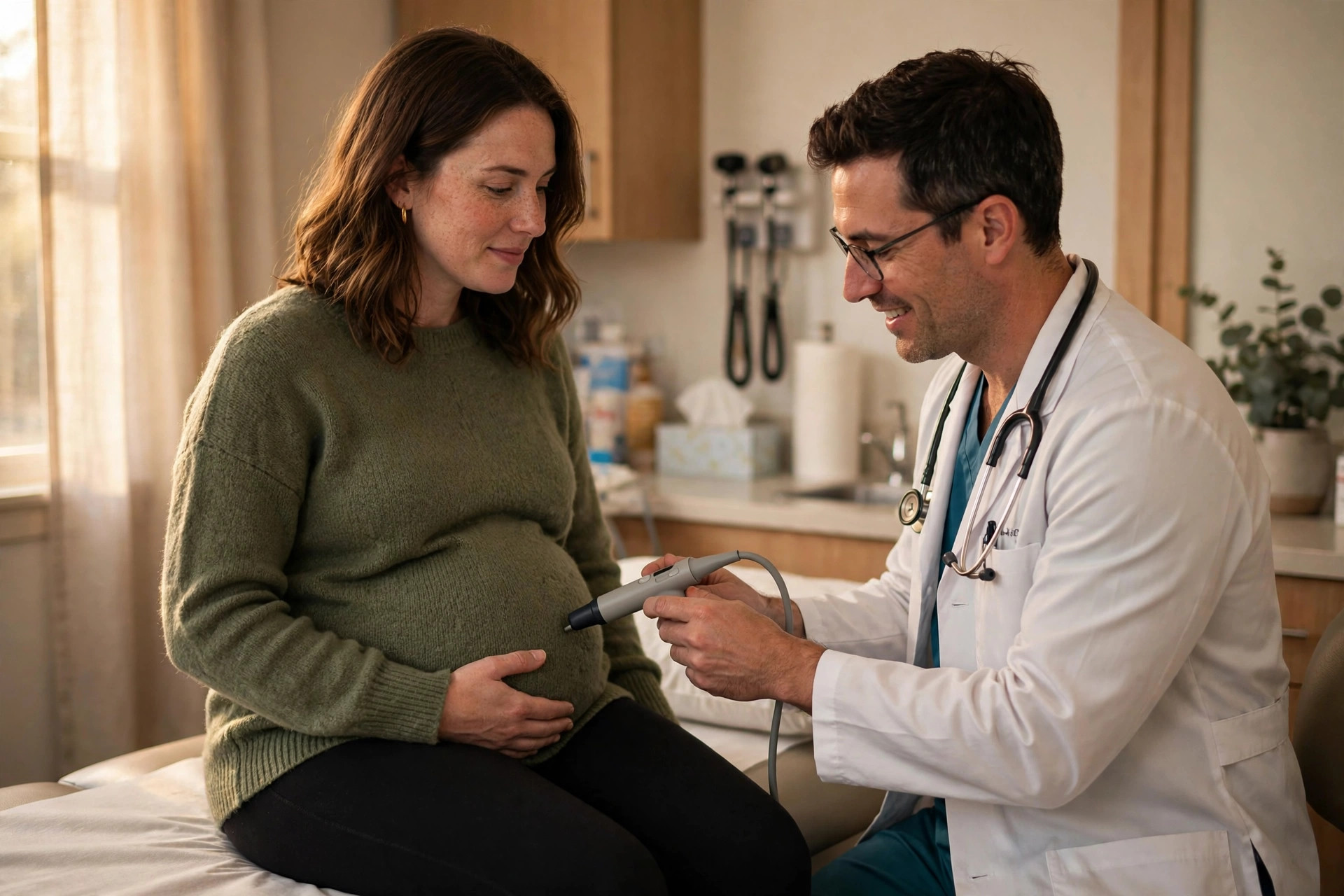
Your checkups typically continue on a monthly schedule during the second trimester. The headline appointment is the anatomy scan (usually between weeks 18 and 22): a detailed ultrasound that examines your baby’s organs, measures growth, checks the placenta and amniotic fluid, and — if you want to know — can usually reveal the sex.
Depending on your age, history, and risk factors, your provider may also offer screening tests such as the quad screen (a blood test assessing certain chromosomal conditions and neural tube defects) or discuss diagnostic options. Around weeks 24–28, you’ll typically have glucose screening for gestational diabetes. If you have questions about any test — what it screens for, what the results mean, what happens next — ask. That’s what your prenatal appointments are for.
Eating and Moving Well in the Second Trimester
With appetite back, the second trimester is a great time to settle into a nourishing routine. You don’t need to “eat for two” — most people need only a modest increase in calories in the second trimester — but you do need consistent, nutrient-dense meals. Focus on folate-rich foods (leafy greens, legumes), iron (lean meats, beans, fortified cereals, paired with vitamin C for absorption), calcium, and DHA from low-mercury fish. Our full guide to pregnancy nutrition breaks this down by nutrient and trimester.
Movement matters too. If you were active before pregnancy, you can generally continue with modifications; if you weren’t, the second trimester is a fine time to start something gentle like walking, swimming, or prenatal yoga. Aim for how you feel rather than any rigid target — energized, not exhausted. And skip anything with a high fall risk or that has you lying flat on your back for long stretches as the bump grows.
When to Call Your Provider
Most second trimester symptoms are normal, but some warrant a prompt call:
- Heavy vaginal bleeding or bleeding accompanied by cramping
- Severe or persistent abdominal pain
- Sudden, severe swelling of the face or hands, severe headache, or vision changes (possible signs of preeclampsia)
- Signs of preterm labor before 37 weeks: regular contractions, pelvic pressure, fluid leaking, or persistent lower back ache
- Fever, or burning/pain when urinating (possible urinary tract infection, which is more common in pregnancy)
- A noticeable decrease in your baby’s movement once you’ve established a pattern (usually later in the second trimester or in the third)
When in doubt, call. Providers genuinely prefer a “probably nothing” call over a missed warning sign — you will never be bothering them.
Frequently Asked Questions
When does the second trimester start?
The second trimester generally spans weeks 14 through 27 of pregnancy, though some providers define it as weeks 13 through 28. The exact boundary isn’t critical — what matters is the general phase of development and the typical easing of early symptoms.
Is the second trimester really easier?
For many people, yes — nausea and extreme fatigue commonly ease as hormone levels stabilize. But it’s not a guarantee. Some symptoms persist, and new ones (backaches, leg cramps, heartburn) often appear. A harder-than-expected second trimester doesn’t mean anything is wrong.
What happens at the 20-week scan?
The anatomy scan is a detailed ultrasound, usually between weeks 18 and 22, that examines your baby’s organs and structures, measures growth, checks the placenta and amniotic fluid levels, and can usually determine sex if you’d like to know. It typically takes 30–45 minutes.
When will I feel the baby move?
Most first-time parents feel the first flutters between weeks 18 and 22, sometimes described as gas bubbles or gentle taps. If you’ve been pregnant before, you might notice movement as early as week 16. Consistent, countable patterns usually develop later, in the third trimester.
How much weight should I gain in the second trimester?
Weight gain guidance depends on your pre-pregnancy weight and your provider’s advice — there’s no single right number. Your provider will track your gain at each visit and let you know if it’s on track. Focus on steady, nourishing eating rather than the scale.
This article is for general information and isn’t a substitute for professional medical advice. Always discuss symptoms, test results, and any concerns with your own prenatal care provider.