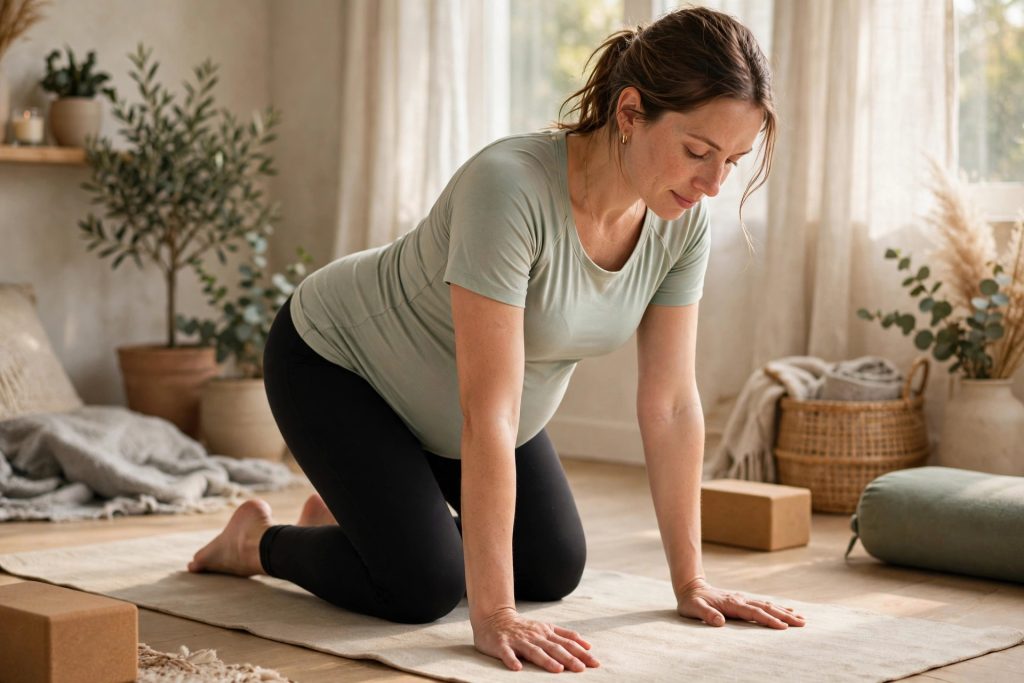
One of the most persistent myths about pregnancy is that it requires nine months of stillness. In reality, for most healthy pregnancies, regular moderate exercise is one of the best things you can do — for your energy, your sleep, your mood, your back, and even your labor. The key is knowing what’s safe, what to modify as your body changes, and when to stop and call your provider.
This trimester-by-trimester guide covers the benefits, the ground rules, the best types of exercise for each stage, what to avoid, and the warning signs that mean “stop exercising and call your provider.”
Why Exercise During Pregnancy Is Worth It
The benefits are wide-ranging and well-established. Regular moderate activity during pregnancy is associated with better energy and sleep, less back pain and constipation, improved mood (pregnancy is an emotionally demanding time, and movement is a genuine antidepressant), healthier weight gain, and potentially an easier labor and faster postpartum recovery. It also helps regulate blood sugar, which matters for everyone and especially for those at risk of gestational diabetes.
None of this requires athletic heroics. The goal is consistent, moderate movement — the kind that raises your heart rate and makes conversation slightly effortful but still possible. If you were active before pregnancy, you can generally continue; if you weren’t, pregnancy is a fine time to start gently. Either way, your provider’s clearance at your early prenatal visits is the starting gate.
The Ground Rules for Safe Prenatal Exercise
- Get clearance first. Most healthy pregnancies get a green light, but certain conditions (including some placental issues, preeclampsia, or risk of preterm labor) change the guidance. Ask at your first prenatal appointment.
- Warm up and cool down. Five minutes of gentle movement on each end protects joints that are already loosened by relaxin.
- Stay hydrated. Drink water before, during, and after — dehydration raises body temperature and can trigger Braxton Hicks.
- Avoid overheating. Exercise in cool environments, wear breathable clothing, and skip hot yoga, saunas, and hot tubs.
- Listen to your body over any plan. Pregnancy isn’t the time to chase personal records. Tired today? Go shorter or skip it. There’s always tomorrow.
- Protect your balance. Your center of gravity shifts as the bump grows; be cautious on uneven surfaces and skip anything with a real fall risk.
- Fuel appropriately. Don’t exercise on an empty stomach — a small snack beforehand prevents blood sugar dips, and our pregnancy nutrition guide covers what to eat around activity.
First Trimester: Keep Moving Through the Fog
The first trimester’s challenge isn’t usually safety — it’s energy. Between nausea and exhaustion, formal workouts may feel impossible, and that’s okay. The goal right now is simply not to stop moving entirely: short walks, gentle stretching, and whatever activity you can tolerate. If all you manage is a ten-minute walk, that counts.
If you were already exercising, you can generally continue your routine with minor modifications — just dial back intensity when fatigue demands it. This is not the time to start an aggressive new program, but maintaining existing fitness is fine with your provider’s okay. And if the first trimester has you mostly horizontal, forgive yourself; the second trimester usually brings energy back.
Second Trimester: The Sweet Spot for Activity
With energy returning and the bump still manageable, the second trimester is often the most enjoyable time to be active. This is the window to build a real routine. Excellent options:
- Walking: the most underrated prenatal exercise — free, effective, and endlessly adaptable
- Swimming and water aerobics: the water supports your weight, eases joint stress, and relieves swelling; many pregnant people call the pool their happy place
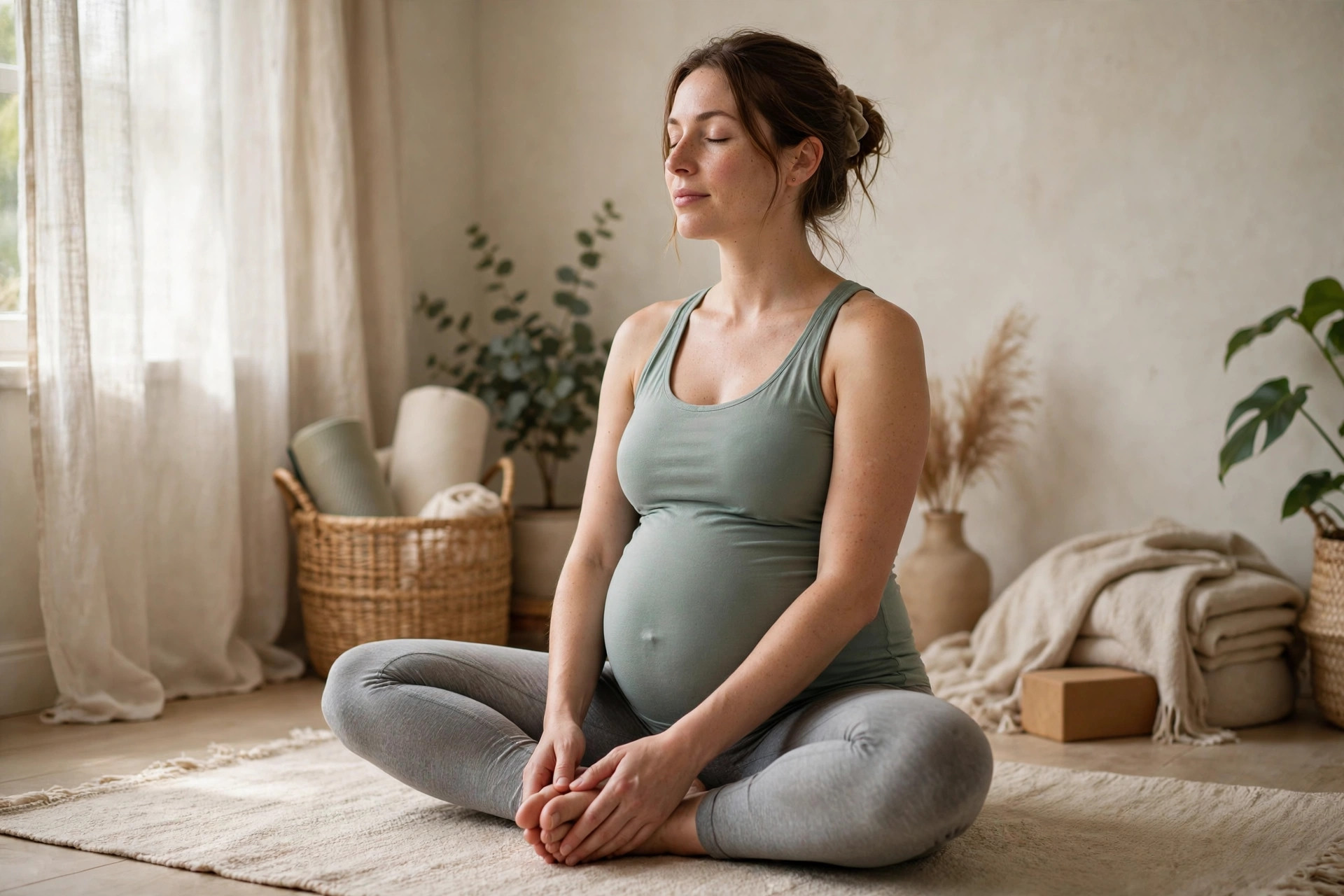
- Prenatal yoga: builds strength, flexibility, and body awareness, plus breathing skills that transfer directly to labor
- Stationary cycling: all the cardio with none of the balance risk of a road bike
- Modified strength training: light weights or resistance bands with good form; avoid holding your breath during exertion and skip heavy overhead lifting as balance shifts
Start modifying around mid-second trimester: avoid lying flat on your back for extended periods (the uterus can compress a major vein, reducing blood flow — prop yourself on an incline instead), and begin skipping exercises that require sharp balance.
Third Trimester: Adapt and Maintain
The goal now shifts from building fitness to maintaining movement and comfort. Shorter sessions, lower intensity, more rest days — all appropriate. Walking remains excellent; swimming becomes even more appealing as the bump grows; prenatal yoga helps with the aches and the mental preparation alike.
Practical adaptations for late pregnancy: widen your stance for stability, use a wall or chair for balance work, choose a recumbent bike over upright if your back complains, and keep sessions to what feels good — twenty comfortable minutes beats forty miserable ones. Pelvic floor exercises (Kegels) deserve a place in your routine now if they aren’t already there; they support you through delivery and recovery.
Our third trimester guide covers the broader physical picture of these final weeks, including when to shift fully into rest mode.
The best prenatal exercise is the one you’ll actually do consistently: for most people, that’s walking, swimming, or prenatal yoga — moderate, regular, and adjusted to how you feel that day. Consistency beats intensity for all nine months.
Exercises to Avoid During Pregnancy
- Contact sports — soccer, basketball, martial arts, and anything with collision risk
- Activities with high fall risk — downhill skiing, horseback riding, road cycling in traffic, gymnastics, vigorous mountain biking
- Scuba diving — pressure changes pose risks to the baby; snorkeling at the surface is fine
- Hot yoga, saunas, hot tubs — overheating is the concern, especially in the first trimester
- Lying flat on your back for prolonged periods after the first trimester (during exercise or otherwise)
- Heavy lifting with breath-holding — the Valsalva maneuver spikes blood pressure; keep weights moderate and breathe continuously
- Intense abdominal work — deep core exercises like full sit-ups; gentler core engagement (as taught in prenatal classes) is preferable
Warning Signs: Stop and Call Your Provider
Stop exercising and contact your provider if you experience any of the following:
- Vaginal bleeding or fluid leaking
- Regular, painful contractions
- Chest pain, dizziness, or feeling faint
- Shortness of breath before exertion, or breathlessness that doesn’t ease with rest
- Calf pain or swelling (possible clot — don’t massage it, call)
- Severe headache
- Decreased fetal movement
- Muscle weakness affecting balance
Ordinary muscle tiredness is fine; these are not ordinary. When in doubt, stop and call — the workout can wait.

After the Baby Arrives
Thinking ahead: the fitness you maintain now pays dividends in recovery. That said, postpartum exercise is its own topic with its own timeline — walking first, medical clearance at your postpartum checkup, and a gradual rebuild rather than a snap-back. Our guide to returning to exercise after pregnancy maps out that progression safely.
Frequently Asked Questions
Is it safe to exercise while pregnant?
For most healthy pregnancies, yes — regular moderate exercise is recommended and beneficial. Get your provider’s clearance first, especially if you have any pregnancy complications, and follow the warning-sign list above.
Which exercises should I avoid during pregnancy?
Skip contact sports, activities with high fall risk, scuba diving, hot yoga/saunas, prolonged back-lying after the first trimester, and heavy lifting with breath-holding. When in doubt about a specific activity, ask your provider.
Can I do yoga while pregnant?
Yes — prenatal yoga is one of the best options, building strength, flexibility, and breathing skills useful in labor. Avoid hot yoga, deep twists, intense backbends, and prolonged back-lying; choose classes labeled prenatal or tell the instructor you’re pregnant.
When should I stop exercising in pregnancy?
Stop and call your provider for vaginal bleeding, fluid leaking, regular painful contractions, chest pain, dizziness, severe headache, calf pain/swelling, or decreased fetal movement. Also ease off if your provider advises it for complications like preeclampsia or preterm labor risk.
How much exercise do I need during pregnancy?
A commonly cited target is around 150 minutes of moderate activity per week — for example, 30 minutes of brisk walking five days a week — but any regular movement counts. In the final weeks, shorter and gentler is perfectly appropriate.
This article is for general information and isn’t a substitute for professional medical advice. Get your provider’s clearance before starting or continuing an exercise program in pregnancy, and stop and call them about any warning signs.