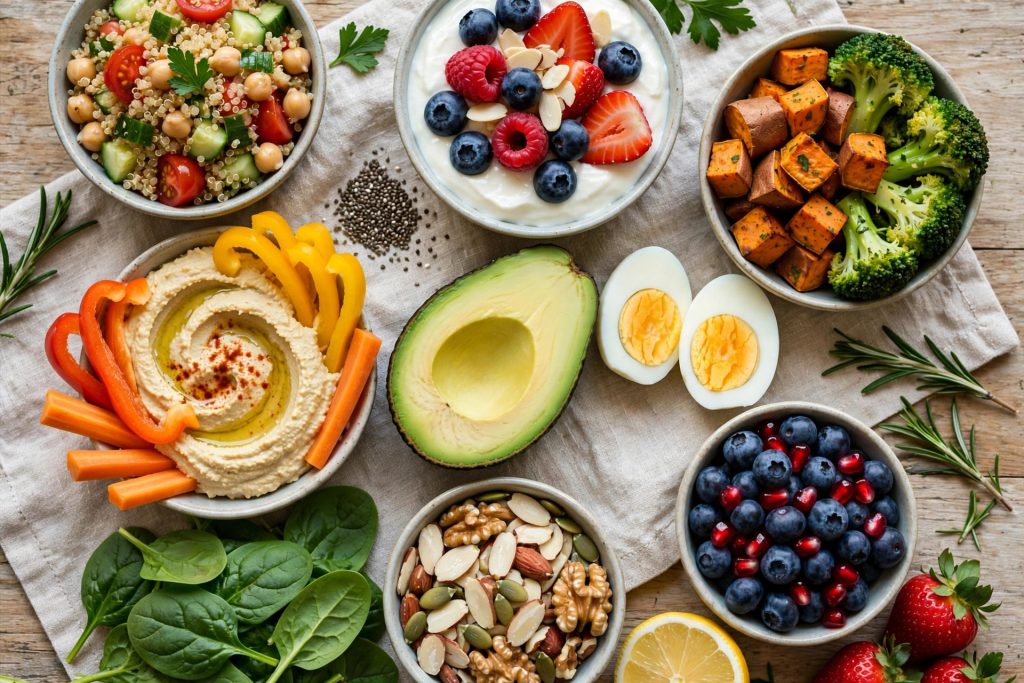
Every pregnant person eventually stands in a grocery aisle, holding something they love, wondering: can I still eat this? The list of foods to avoid during pregnancy can feel long and anxiety-inducing — especially when well-meaning relatives add their own rules. This guide gives you the evidence-based list, explains why each item is on it, and — just as importantly — what’s perfectly fine, so you can eat with confidence instead of fear.
Why Some Foods Are Risky in Pregnancy
The restrictions come down to three concerns. First, foodborne illness: pregnancy suppresses parts of your immune system, making infections like listeriosis and toxoplasmosis more dangerous — and some can cross the placenta to your baby. Second, mercury and contaminants: certain large fish accumulate mercury, which can affect a developing nervous system. Third, alcohol: no safe amount has been established, so avoidance is the guidance.
Notice what this list is not about: normal, varied eating. The vast majority of foods are completely fine. If you’re still in the early weeks of pregnancy, our first-trimester guide is a good companion read. Let’s go through the actual avoid/limit list.
Foods to Avoid Completely
Alcohol
No amount of alcohol has been shown to be safe in pregnancy, so the guidance is straightforward: skip it entirely, including wine, beer, and cocktails. This is one area where “a little won’t hurt” isn’t something any major health authority endorses. If you drank before you knew you were pregnant, don’t panic — but stop now, and mention it to your provider so they have the full picture.
Raw or undercooked meat and poultry
Raw or rare meat can carry toxoplasmosis and other bacteria. Order steaks well-done for now, cook poultry thoroughly, and use a food thermometer if you’re unsure — ground meats should reach 160°F (71°C) and poultry 165°F (74°C). This also applies to raw or undercooked seafood like oysters and ceviche.
Raw and undercooked eggs
Raw eggs can carry salmonella. That means skipping homemade Caesar dressing, raw cookie dough, homemade mayonnaise, and hollandaise made with uncooked eggs. Commercial versions are typically made with pasteurized eggs and are fine — check the label. Fully cooked eggs (firm yolks) are perfectly good food in pregnancy.
Unpasteurized milk, juice, and soft cheeses
Unpasteurized (“raw”) dairy and juice can harbor listeria and other pathogens. Most dairy and juice sold in stores is pasteurized — check the label to be sure. The soft-cheese confusion deserves clarity: the issue isn’t softness, it’s pasteurization. Brie, feta, and mozzarella made with pasteurized milk (which is most of what’s sold) are fine. Only unpasteurized versions are a concern.
High-mercury fish
Avoid shark, swordfish, king mackerel, tilefish, and bigeye tuna — these large, long-lived fish accumulate the most mercury. But don’t throw out fish altogether: low-mercury fish like salmon, sardines, trout, and shrimp are excellent pregnancy foods, rich in DHA and protein. Our pregnancy nutrition guide covers the best choices in detail.
Raw sprouts
Alfalfa, mung bean, and other raw sprouts are grown in warm, humid conditions ideal for bacteria, and they’re difficult to wash clean. Cooked sprouts are fine. This one surprises people — but it’s an easy swap.
Unwashed produce
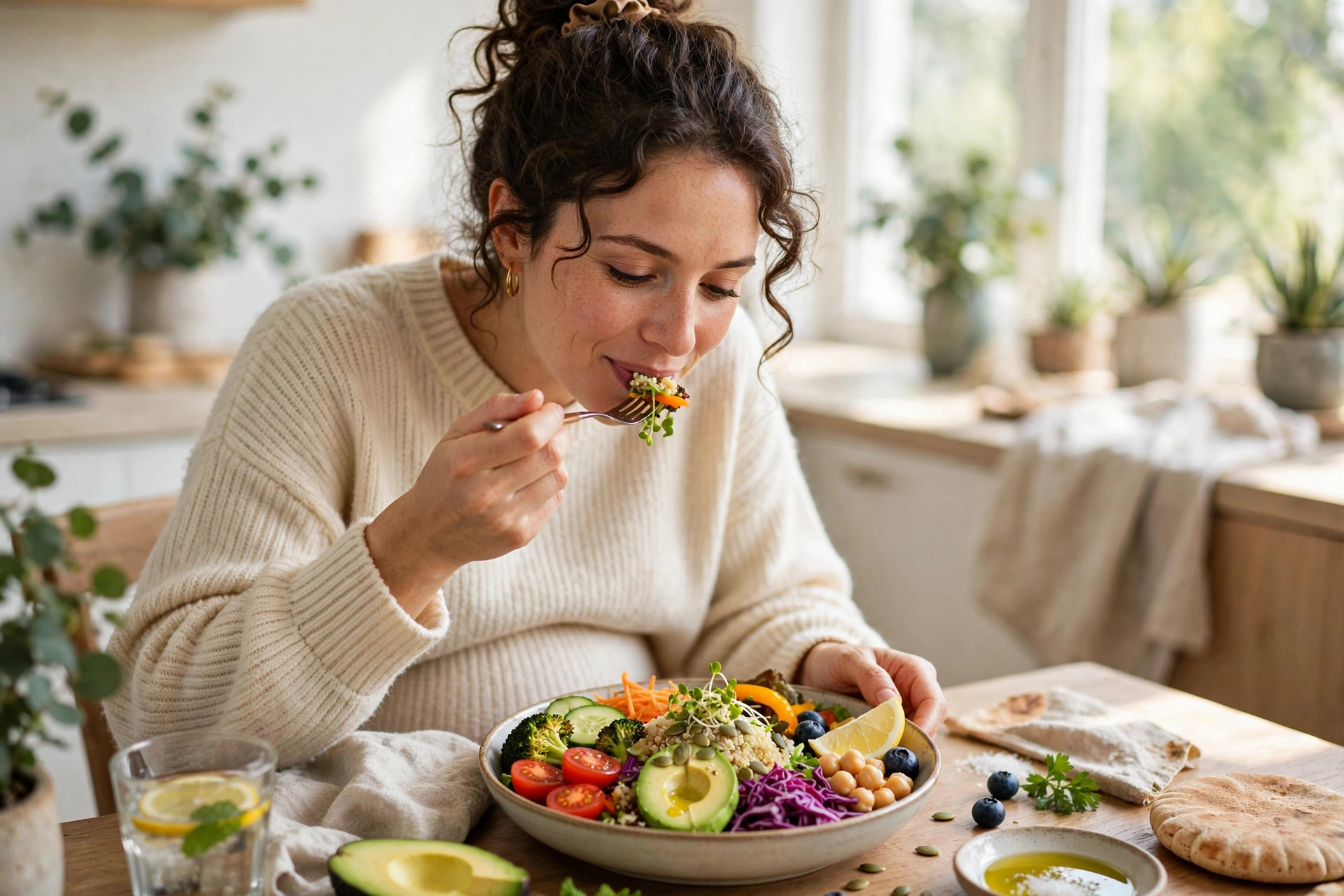
Fruits and vegetables themselves are wonderful pregnancy foods; just wash them thoroughly. Soil can carry toxoplasma, so scrub produce well — and wash your hands after gardening or handling raw meat.
Foods to Limit (Not Eliminate)
Caffeine
You don’t have to give up coffee entirely. Most guidance suggests keeping caffeine moderate — roughly the amount in one to two small cups of coffee a day, keeping in mind that caffeine also hides in tea, chocolate, energy drinks, and some sodas. If you’re unsure about your total, tally a typical day’s sources once; most people find they’re well within bounds.
Deli meats and hot dogs
Cold deli meats can carry listeria. The fix is simple: heat them until steaming before eating — a toasted sandwich is fine; a cold one isn’t worth the risk. The same applies to hot dogs: heat thoroughly.
Certain fish (limit, don’t avoid)
Albacore (white) tuna is higher in mercury than light tuna but doesn’t need full avoidance — just keep it to moderate amounts. The goal is a couple of servings of low-mercury fish per week total.
Liver and liver products
Liver is extremely high in vitamin A in the retinol form, and excessive preformed vitamin A can be harmful in pregnancy. An occasional small serving isn’t a crisis, but don’t make liver pâté a staple. (Beta-carotene from vegetables is a different, safe form.)
The pregnancy food rules look long on paper but they’re simple in practice: cook meats and eggs thoroughly, choose pasteurized dairy, skip alcohol and high-mercury fish, wash your produce, and heat deli meats until steaming. Everything else — the vast, delicious majority of food — is on the table.
Eating Out Safely
Restaurants are navigable with a few habits: order meat well-done, skip the raw bar, ask whether dressings and desserts contain raw egg (most commercial ones don’t), and choose cooked sushi options (tempura rolls, cooked eel) if you’re craving Japanese food. Salad bars are fine if the ingredients look fresh and the bar looks well-maintained — when in doubt, order something cooked.
What About…
Herbal teas
Many herbal teas are fine in normal amounts, but some herbs aren’t well-studied in pregnancy. Stick to common ones like ginger, peppermint, or lemon, keep it to a cup or two a day, and skip anything marketed for medicinal effects. When in doubt, ask your provider or pharmacist.
Artificial sweeteners
Most common sweeteners are considered safe in moderation during pregnancy, but “moderation” is doing real work in that sentence. Water remains the best default drink; diet sodas and sugar-free products are fine occasionally, not as staples.
Spicy food
Spicy food is safe — it may give you heartburn (pregnancy does that on its own), but it won’t harm your baby or trigger labor. Eat what you enjoy and can tolerate.
When Food Rules Cause More Harm Than Good
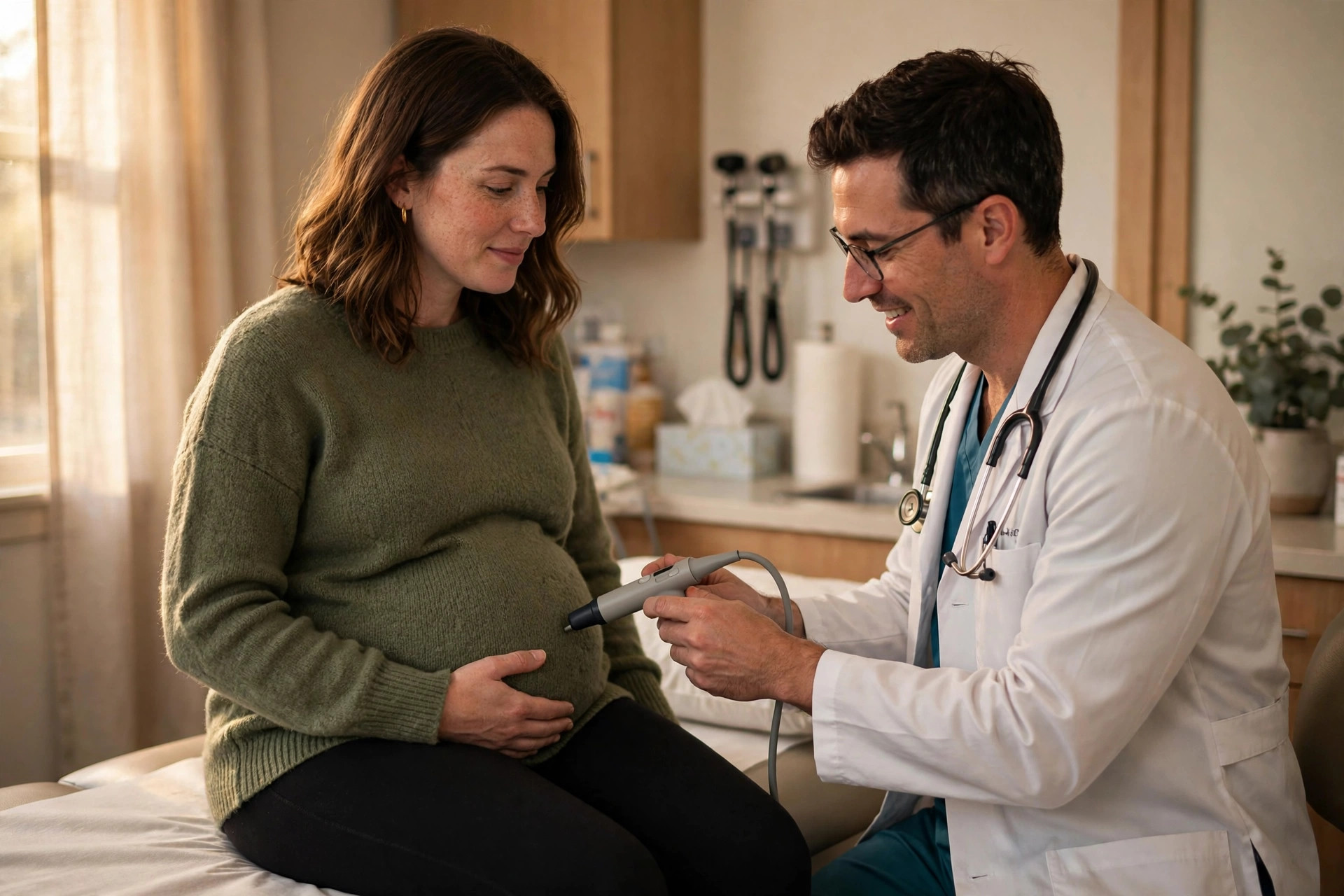
A brief but important note: for some people, the food rules become a source of constant anxiety — re-reading labels, declining every shared meal, lying awake over a bite of feta. If the list is stealing your peace, talk to your provider. They can confirm what’s actually risky versus what’s fine, and help you find the line between sensible caution and unnecessary fear. Good pregnancy nutrition includes your mental health.
And remember: one imperfect meal doesn’t define a pregnancy. If you ate something from the avoid list before you knew, or slipped up once, mention it at your next prenatal checkup for reassurance — a single exposure is very different from a pattern, and your provider deals with these questions constantly.
And once your baby is here, the feeding questions begin — our guide to feeding your newborn covers breast, bottle, and combination feeding for those first days.
Frequently Asked Questions
Can I drink coffee while pregnant?
Yes, in moderation — roughly one to two small cups of coffee a day is within most guidance. Remember to count other caffeine sources (tea, chocolate, energy drinks, some sodas) toward your daily total.
Is sushi safe during pregnancy?
Raw fish sushi is best avoided due to parasite and bacteria risk. Cooked options — tempura rolls, cooked eel, California rolls made with cooked crab — are fine. If a craving is strong, a reputable restaurant’s cooked menu scratches the itch safely.
Why avoid deli meat in pregnancy?
Cold deli meats can carry listeria, which is more dangerous during pregnancy. Heating deli meat until steaming kills the bacteria, so hot sandwiches are fine — it’s only the cold, straight-from-the-package kind to skip.
Can I eat soft cheese while pregnant?
Yes, if it’s made with pasteurized milk — which covers nearly all soft cheese sold in stores, including brie, feta, and mozzarella. Check the label for “pasteurized”; only unpasteurized versions are a concern.
What happens if I accidentally eat something I shouldn’t?
Usually nothing — a single exposure is very different from ongoing consumption, and most of the time there are no consequences at all. Mention it to your provider at your next visit for reassurance, and watch for symptoms like fever or gastrointestinal illness, which warrant a call.
This article is for general information and isn’t a substitute for professional medical advice. If you have questions about specific foods or exposures, talk to your prenatal care provider.